
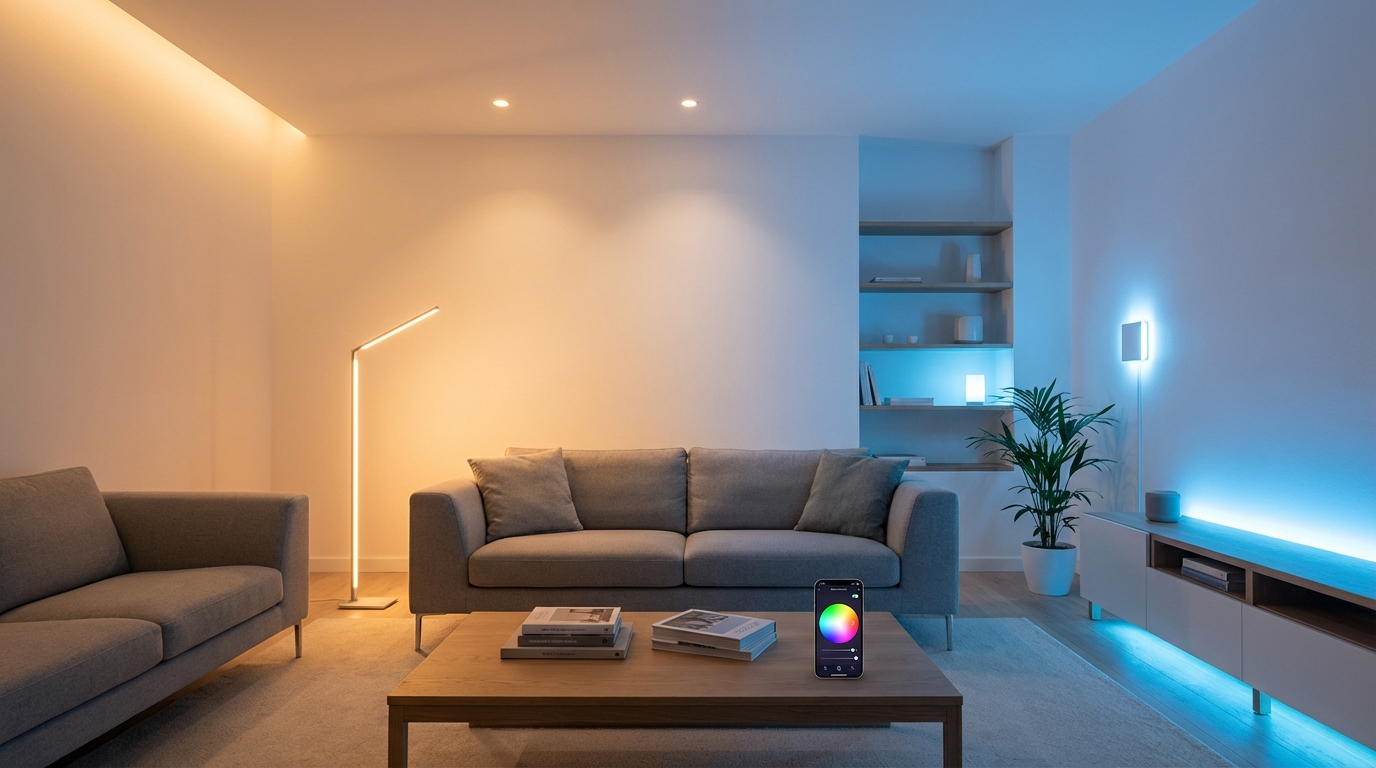
Smart Lighting: Transform Your Home Ambiance (and Your Digital Wellness)
In the pursuit of a minimalist digital lifestyle, we often focus on decluttering our physical and digital spaces. But what about the unseen elements that impact our well-being? One often overlooked aspect is lighting. Beyond simple illumination, smart lighting offers the potential to transform your home ambiance, boost productivity, and even improve your sleep – all while seamlessly integrating into your tech-savvy, minimalist existence.
At DigitCrate, we’re all about making technology work for us, not against us. So, let’s dive into the world of smart lighting and discover how it can elevate your home and your digital wellness.
Why Smart Lighting Fits the Minimalist Lifestyle
You might be thinking, “Isn’t adding more tech counter to minimalism?” The key is intentionality. Smart lighting, when implemented thoughtfully, can actually reduce clutter and complexity in your life. Here’s how:
- Consolidated Control: Ditch the multiple remotes and light switches. Control all your lighting from a single app on your phone or tablet.
- Automated Schedules: Set timers for lights to turn on and off automatically, eliminating the need to manually adjust them. This is especially useful for creating a consistent sleep-wake cycle.
- Energy Efficiency: Smart bulbs are often LED-based, using significantly less energy than traditional bulbs. Automation further reduces energy waste by ensuring lights aren’t left on unnecessarily.
- Personalized Ambiance: Tailor the lighting to your mood and activities. Need bright, focused light for work? Dim, warm light for relaxation? Smart lighting puts you in control.
Key Benefits of Smart Lighting
Beyond the minimalist appeal, smart lighting offers a range of benefits that directly contribute to a more productive and digitally well life:
- Improved Sleep: Blue light emitted from screens can disrupt melatonin production, interfering with sleep. Smart bulbs allow you to schedule warmer, redder tones in the evening, promoting better sleep quality.
- Enhanced Productivity: Cool, bright light can boost alertness and focus, making it ideal for working from home. Create custom scenes for different tasks, optimizing your environment for productivity.
- Increased Security: Simulate occupancy while you’re away by setting lights to turn on and off at random intervals. This can deter potential burglars and provide peace of mind.
- Mood Enhancement: Lighting has a profound impact on our mood. Use color-changing smart bulbs to create a calming and relaxing atmosphere, or a vibrant and energetic one.
- Accessibility: Smart lighting can be a game-changer for individuals with mobility issues. Control lights with your voice or a smartphone, eliminating the need to physically reach switches.
Choosing the Right Smart Lighting System
The smart lighting market is vast, with numerous brands and technologies to choose from. Here’s a breakdown of the key considerations:
Consider Your Needs and Budget
Start by defining your specific needs and budget. Are you looking to outfit your entire home or just a few key areas? What features are most important to you (e.g., color control, voice integration, scheduling)?
Popular Smart Lighting Ecosystems
- Philips Hue: A well-established ecosystem with a wide range of bulbs, lamps, and accessories. Requires a hub for full functionality. Known for its reliability and extensive features. Example: Create a “Relaxation” scene with dim, warm lighting to unwind after a long day.
- LIFX: Offers high-quality, color-rich bulbs that connect directly to Wi-Fi, eliminating the need for a hub. Example: Use LIFX’s color zones to create a dynamic lighting effect that changes throughout the day.
- Wyze: A budget-friendly option with a growing range of smart home products, including bulbs, plugs, and cameras. Example: Use Wyze bulbs in your outdoor lighting to create a smart security system.
- Amazon Basics Smart Lighting: A simple and affordable option that integrates seamlessly with Alexa. Ideal for those already invested in the Amazon ecosystem.
Connectivity Options: Wi-Fi vs. Hub-Based
Smart bulbs typically connect to your network via Wi-Fi or a dedicated hub. Wi-Fi bulbs connect directly to your router, while hub-based systems require a central hub to communicate with the bulbs. Hub-based systems can be more reliable and offer greater control, but they also require an additional piece of hardware.
Voice Assistant Compatibility
Ensure that the smart lighting system you choose is compatible with your preferred voice assistant (e.g., Amazon Alexa, Google Assistant, Apple Siri). Voice control adds another layer of convenience to your smart home experience.
Practical Tips for Implementing Smart Lighting
Here are some practical tips to help you get the most out of your smart lighting system:
- Start Small: Don’t feel pressured to replace all your bulbs at once. Start with a few key areas, such as your living room or bedroom, and gradually expand your system as needed.
- Experiment with Scenes: Create custom scenes for different activities, such as “Work,” “Relaxation,” “Movie Night,” and “Dinner.” This allows you to instantly adjust the lighting to suit your needs. Example: A “Work” scene could set bright, cool-toned lights, while a “Movie Night” scene dims the lights and adds a subtle blue hue.
- Automate Your Lighting: Use schedules to automatically turn lights on and off at specific times. This can help you maintain a consistent sleep-wake cycle and save energy.
- Use Color Temperature to Your Advantage: Experiment with different color temperatures to create the desired ambiance. Warmer colors (e.g., 2700K) are ideal for relaxation, while cooler colors (e.g., 5000K) are better for focus.
- Consider Placement: Think about the placement of your lights and how they interact with your furniture and décor. Strategic placement can enhance the overall ambiance of your space.
Integrating Smart Lighting with Your Digital Wellness Routine
Smart lighting can be a powerful tool for improving your digital wellness. Here are some ways to integrate it into your routine:
- Blue Light Reduction: Schedule your smart bulbs to gradually shift to warmer tones in the evening to minimize blue light exposure.
- Sleep Routine Optimization: Use smart lighting to create a relaxing bedtime routine. Dim the lights gradually in the hour before bed to signal to your body that it’s time to sleep.
- Daylight Simulation: Use smart lighting to simulate natural daylight, especially during the darker months. This can help regulate your circadian rhythm and improve your mood.
- Mindfulness Practice: Use color-changing smart bulbs to create a calming and meditative atmosphere. Choose colors that promote relaxation and focus.
Conclusion: Illuminate Your Life, Minimally
Smart lighting is more than just a fancy gadget; it’s a tool that can transform your home ambiance, boost productivity, and improve your digital wellness. By embracing intentionality and choosing the right system, you can seamlessly integrate smart lighting into your minimalist lifestyle and create a space that supports your well-being. So, ditch the clutter, embrace the convenience, and illuminate your life with smart lighting. Start small, experiment with settings, and discover the transformative power of light. Your future, brighter, and more balanced self will thank you.