Slow Living in a Fast World: Finding Balance in 2026
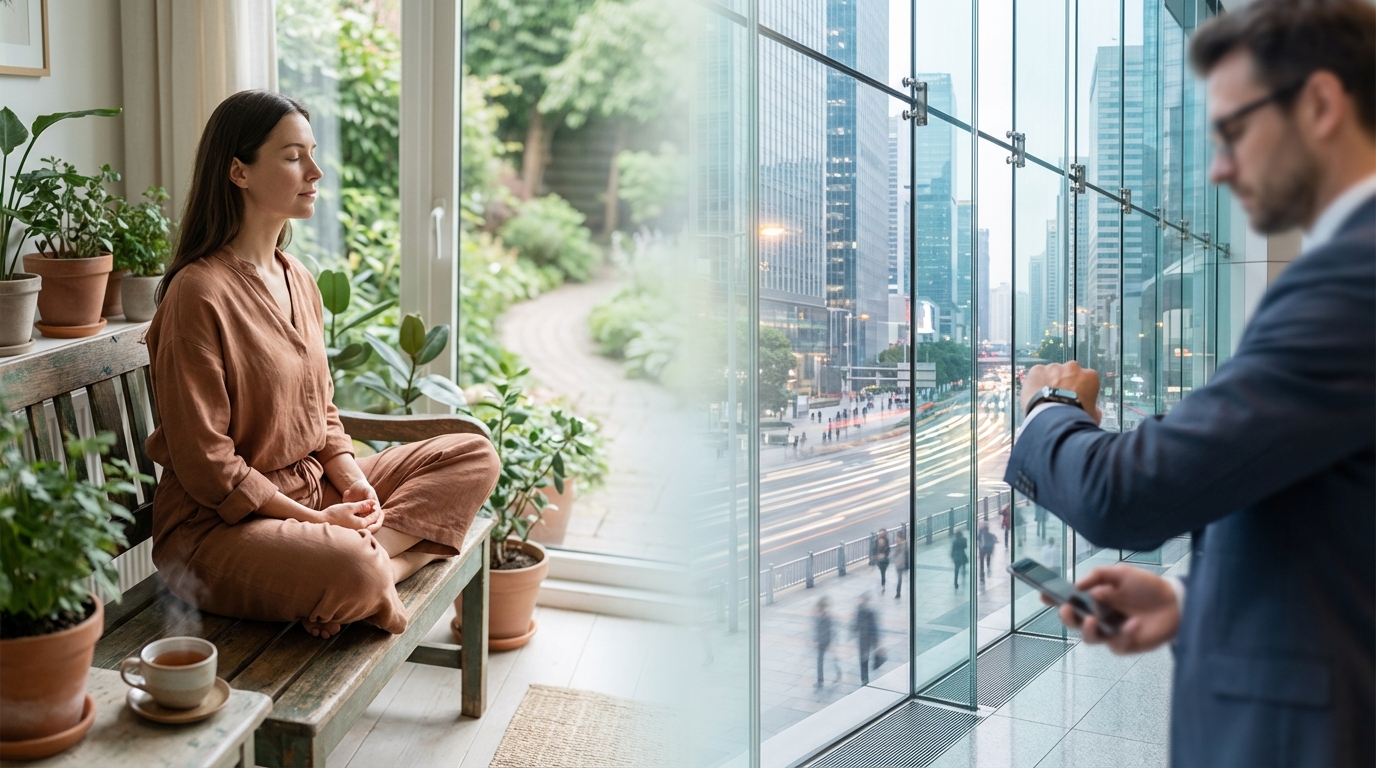
Welcome to 2026. We live in an era where artificial intelligence manages our schedules, augmented reality layers our cityscapes, and the “always-on” culture has moved from a professional requirement to a biological expectation. At DigitCrate, we’ve always championed the intersection of technology and minimalism, but as the world accelerates, the need for a counter-movement has never been more urgent.
The concept of slow living is often misunderstood. Many imagine it involves throwing away your smartphone, moving to a remote cabin, and churning your own butter. In reality, slow living in 2026 isn’t about rejecting progress; it’s about reclaiming your tempo. It is a conscious choice to prioritize quality over quantity and presence over productivity. Today, we’re exploring how to cultivate a minimalist life aesthetic that allows you to breathe, even when the world is moving at gigabit speeds.
The Paradox of 2026: Why We Feel Rushed in an Efficient World
By now, technology has automated many of our mundane tasks. We should have more free time than ever, right? Yet, the “Efficiency Paradox” suggests that the more time we save through technology, the more we fill that void with more tasks, more content, and more digital noise. In 2026, the barrier between our physical and digital lives has all but vanished, leading to a state of perpetual cognitive overload.
Slow living is the antidote to this friction. It is the practice of intentionality. Instead of reacting to every notification and trend, slow living asks us to pause and ask: “Does this add value to my life, or is it just taking up space?”
Digital Minimalism: The Foundation of Modern Slow Living
To find balance today, we must first address our digital environment. Our screens are the primary windows through which we experience the world, and if those windows are cluttered, our mental state will be, too.
1. Curating Your Digital Ecosystem
In the past, we talked about “digital detoxes.” In 2026, we talk about digital curation. A detox is temporary; curation is a lifestyle. Start by auditing your digital feeds. If an account doesn’t inspire you, educate you, or bring you genuine joy, it’s digital clutter. Use AI-driven filters not to show you *more* of what you like, but to aggressively hide the noise that drains your energy.
2. The “Analog Hour” Ritual
Despite the integration of smart tech in our homes, the human brain still craves tactile, non-digital experiences. Dedicate the first hour of your morning and the last hour of your evening to being completely analog. No smart glasses, no neural interfaces, no smartphones. Use this time for low-fidelity activities: reading a physical book, journaling with a pen, or simply enjoying a cup of coffee while looking out the window. This creates a “buffer zone” that protects your peace of mind.
Redefining Productivity: From “More” to “Better”
The minimalist life aesthetic isn’t about being lazy; it’s about mindful productivity. In a fast-paced world, the most productive people aren’t those who do the most tasks, but those who do the most *meaningful* tasks.
The Power of Mono-tasking
Multi-tasking is a myth that 2026 has finally debunked. Research shows that our brains aren’t actually doing two things at once; they are rapidly switching between them, causing “switching costs” that lower our IQ and increase stress. Slow living encourages mono-tasking. When you are writing, just write. When you are in a meeting, be fully present in that meeting. By giving your full attention to one thing at a time, you finish faster and with higher quality results.
Embracing Asynchronous Communication
The expectation of an instant reply is one of the greatest stressors of the modern era. To find balance, lean into asynchronous communication. Let your colleagues and friends know that you check messages at specific intervals rather than being constantly available. This allows you to enter a “Flow State”—that elusive minimalist peak where time disappears and creativity flourishes.
Creating a Minimalist Home Aesthetic
Our physical surroundings significantly impact our internal state. A minimalist life aesthetic in 2026 focuses on sensory clarity. When our homes are cluttered, our brains are constantly processing that visual information, leaving less room for calm and creativity.
- Visual Quiet: Choose a color palette that reflects nature—soft earth tones, muted greens, and warm whites. This reduces visual overstimulation.
- Functional Decor: Every item in your home should have a purpose or a deep sentimental value. If it’s just “filling space,” it’s taking away from the peace of the room.
- The Role of Nature: Biophilic design is a cornerstone of slow living. Incorporate living plants, natural light, and raw materials like wood and stone to ground your tech-heavy lifestyle in the physical world.
Practical Tips for Finding Balance Daily
Transitioning to a slower pace doesn’t happen overnight. It’s a series of small, daily choices. Here are a few actionable steps you can take today:
- Practice “Gap Time”: When waiting for an elevator or standing in line, resist the urge to pull out your phone. Use those 30 seconds to breathe and observe your surroundings.
- Eat Without Distraction: Make at least one meal a day a screen-free zone. Focus on the flavors, textures, and the act of nourishing your body.
- Set “Deep Work” Boundaries: Use your devices’ focus modes