
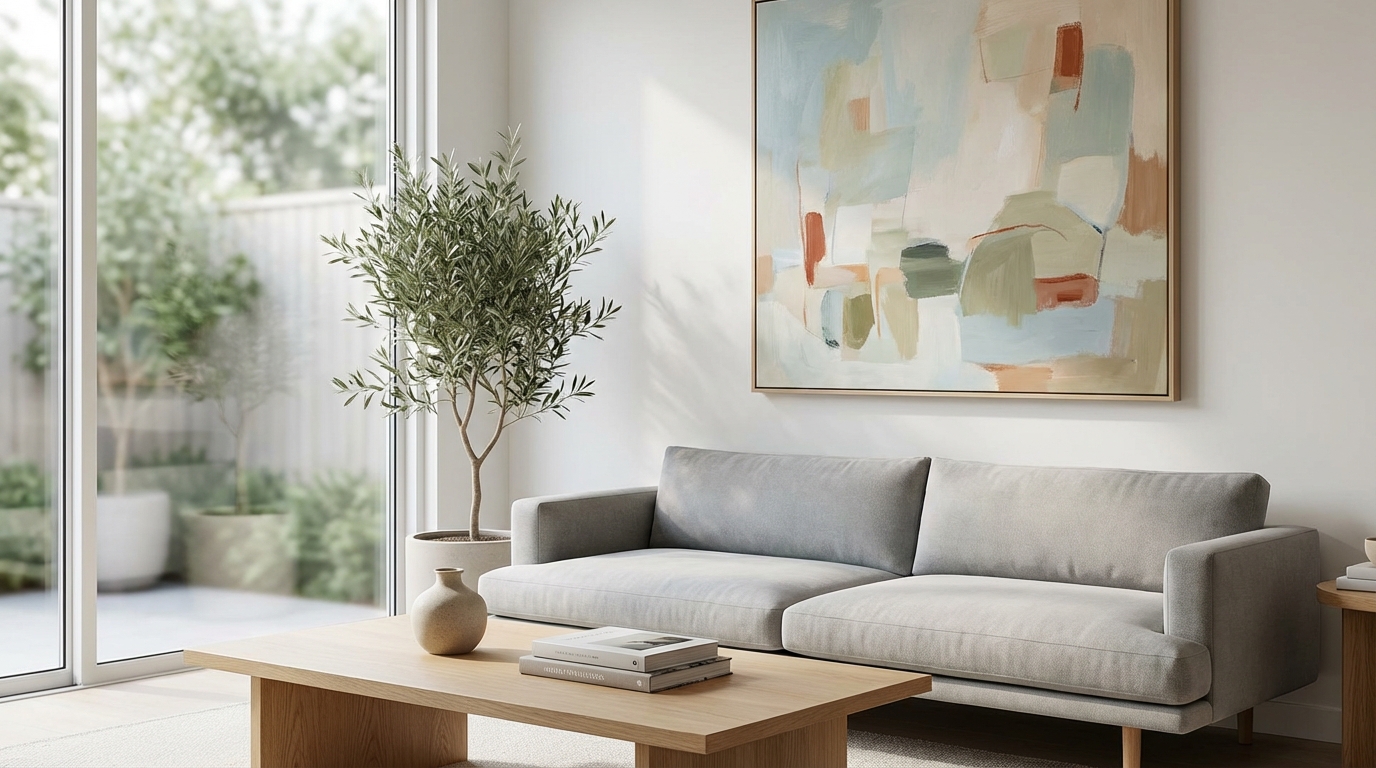
Minimalist Interior Design: Creating Calm in Your Home
In an age where our digital lives are constantly buzzing with notifications, endless feeds, and the pressure of “always-on” connectivity, our physical environment has never been more important. At DigitCrate, we believe that minimalism isn’t just about owning fewer things; it’s about making room for what truly matters. Your home should be a sanctuary—a place where the visual noise of the world fades away, allowing your mind to rest, recharge, and find focus.
Minimalist interior design is the architectural equivalent of a deep breath. By stripping away the superfluous and focusing on the essential, you can create a space that promotes productivity, enhances digital wellness, and fosters a profound sense of peace. In this guide, we’ll explore the philosophy of minimalist design and provide actionable steps to transform your living space into a haven of calm.
The Philosophy: Why Your Space Matters for Your Mental Health
Have you ever noticed how difficult it is to concentrate when your desk is covered in papers, or how stressful it feels to walk into a kitchen overflowing with gadgets you rarely use? This isn’t just a personal preference; it’s a psychological reality. Our brains are wired to process visual information constantly. Visual clutter competes for our attention, leading to increased levels of cortisol (the stress hormone) and a decrease in cognitive performance.
For those of us navigating a digital-heavy lifestyle, the boundary between work and home often blurs. Minimalist design helps re-establish that boundary. By curating a home that is physically “quiet,” we create the mental bandwidth necessary to engage in deep work, enjoy meaningful hobbies, and practice better digital hygiene.
Core Principles of a Minimalist Home
Minimalism is often misunderstood as “empty” or “cold.” However, the most successful minimalist spaces are warm, inviting, and highly functional. To achieve this balance, focus on these three core principles:
1. Intentionality and Functionality
The golden rule of minimalism is: “Have nothing in your houses that you do not know to be useful or believe to be beautiful.” Every piece of furniture, every rug, and every piece of art should serve a purpose. Before adding anything to your home, ask yourself: Does this add value to my life? Does it improve my daily routine? If the answer is no, it’s likely just taking up space.
2. The Power of Negative Space
In design, “negative space” is the empty area around and between subjects. In a minimalist home, negative space is just as important as the furniture itself. It allows the eyes to rest and highlights the beauty of the items you’ve chosen to keep. Think of negative space as “breathing room” for your home. Avoid the urge to fill every corner or every wall; let the architecture of the room speak for itself.
3. A Curated Color Palette
Minimalist design typically favors a neutral color palette—whites, beiges, greys, and soft earth tones. These colors reflect natural light, making spaces feel larger and more airy. However, neutral doesn’t mean boring. You can create depth and interest by layering different shades of the same color or incorporating natural wood tones to add warmth.
Actionable Steps to Transform Your Space
Transitioning to a minimalist home doesn’t happen overnight. It is a process of editing and refining. Here are practical ways to start your journey today:
The “One-In, One-Out” Rule
To prevent clutter from creeping back in, adopt the one-in, one-out rule. For every new item you bring into your home—whether it’s a new book, a kitchen tool, or a piece of clothing—one item must be donated, sold, or recycled. This forces you to be highly intentional about new purchases and keeps your inventory balanced.
Invest in Quality Over Quantity
Minimalism encourages a shift away from “fast furniture” and disposable decor. Instead of buying five cheap side tables that will break in two years, invest in one beautifully crafted, timeless piece. Not only does this reduce waste, but high-quality materials like solid wood, stone, and linen also bring a tactile, “grounded” feeling to a room that synthetic materials cannot replicate.
Texture Over Clutter
If you’re worried that a minimalist room will feel “sterile,” use texture to add warmth. A chunky wool throw, a jute rug, or linen curtains add visual interest and physical comfort without adding “noise.” Texture engages the senses in a subtle way, making a room feel “lived-in” and cozy while maintaining a clean aesthetic.
- Softness: Use velvet or cotton pillows in muted tones.
- Natural Elements: Bring in a few well-placed indoor plants (like a Snake Plant or a Fiddle Leaf Fig) to improve air quality and add a pop of organic color.
- Raw Materials: Incorporate elements like unpolished wood or matte ceramics.
Integrating Digital Wellness into Minimalist Design
As a reader of DigitCrate, you know that our devices are often the biggest sources of clutter—not just digitally, but physically. Minimalist design can help you manage your relationship with technology.
Creating a “Tech-Free” Zone
Designate at least one area of your home—ideally the bedroom or a reading nook—as a tech-free zone. Keep chargers, tablets, and laptops in a different room. By