
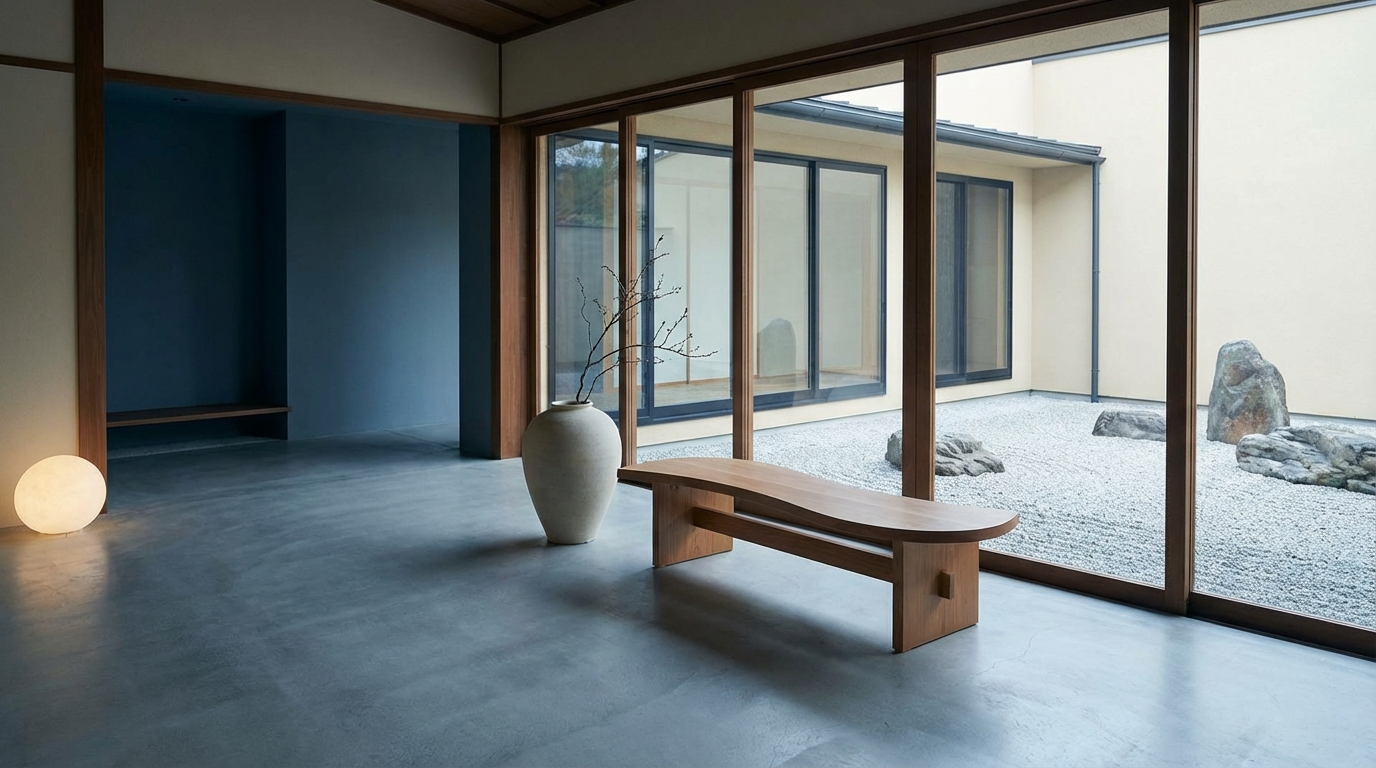
The Japanese Art of Ma: Embracing Empty Space in Modern Life
In our modern, hyper-connected world, we are often taught that more is better. More apps, more tasks, more notifications, and more possessions. We treat “empty space” as a vacuum that needs to be filled, a silence that needs to be broken, or a gap in our calendar that needs a meeting. But what if the secret to a more productive, peaceful, and meaningful life isn’t found in what we add, but in the space we leave empty?
At DigitCrate, we believe that minimalism isn’t just about owning fewer things; it’s about creating room for what truly matters. To master this, we can look to the ancient Japanese concept of Ma (間). This profound aesthetic and philosophical pillar offers a blueprint for navigating the digital noise of the 21st century with grace and intention.
Understanding Ma: The Beauty of the “In-Between”
The Japanese word Ma is often translated as “gap,” “space,” or “pause.” However, these translations don’t quite capture its essence. In Western thought, space is often perceived as a void—a lack of something. In Japanese culture, Ma is seen as a presence. It is the intentional silence between notes in a song that gives the music its power; it is the physical distance between pillars that makes a room feel open; it is the pause between breaths that sustains life.
The kanji for Ma (間) combines the characters for “gate” and “sun.” It depicts the image of sunlight streaming through the cracks of a door. This imagery suggests that Ma is the light that enters an otherwise closed space. It is the “opening” that allows for growth, creativity, and clarity.
Not Void, But Potential
Think of a ceramic bowl. While we value the clay and the glaze, the bowl is only useful because of the emptiness inside it. Without that empty space, it couldn’t hold water. Ma suggests that we should value our lives not just by the “clay” (our achievements and possessions) but by the “space” (our capacity for rest and reflection).
Ma in the Digital Age: Why We Need It Now
For the modern digital citizen, Ma is a radical concept. Our devices are designed to eliminate Ma. Algorithms are built to keep us scrolling so that there is never a “gap” in our attention. Notifications are timed to interrupt our “pauses.” We have become a society suffering from “information obesity,” where we consume far more than we can ever process.
When we lose Ma in our digital lives, we lose our ability to think deeply. We become reactive rather than proactive. By consciously reintroducing Ma into our digital habits, we can reclaim our focus and reduce the low-grade anxiety that comes from constant stimulation.
How to Cultivate Ma in Your Daily Life
Embracing Ma doesn’t require moving to a monastery or throwing away all your electronics. It is about making small, intentional choices to protect your “space.” Here is how you can apply this aesthetic to your digital and physical world.
1. Digital Ma: Reclaiming Your Screen
Your digital environment is just as real as your physical one. If your desktop is cluttered with icons and your phone is a sea of red notification badges, you have no Ma.
- The One-Page Rule: Limit your smartphone’s home screen to one page of essential apps. Leave the rest in the app library or hidden folders. This creates visual “breathing room” every time you unlock your phone.
- Negative Space on Your Desktop: Try a minimalist wallpaper and hide your desktop icons. When you open your laptop, you should feel a sense of calm, not a rush of “to-dos.”
- Notification Gaps: Schedule “Do Not Disturb” periods throughout the day. These aren’t just for sleeping; they are the Ma between your work blocks, allowing your brain to reset.
2. Temporal Ma: The Power of the Pause
Many of us fall into the trap of back-to-back scheduling. We finish one Zoom call and immediately jump into the next. This lack of temporal Ma leads to burnout and mental fatigue.
- The Five-Minute Buffer: Instead of 30 or 60-minute meetings, try 25 or 50-minute sessions. Use the remaining time to step away from the screen, stretch, or look out a window. This is the “sunlight through the gate” for your schedule.
- The Morning Gap: Resist the urge to check your phone the moment you wake up. Create Ma at the start of your day—even if it’s just ten minutes of drinking tea in silence before the digital world rushes in.
3. Spatial Ma: Living with Less
In interior design, Ma is about the relationship between objects. A room feels sophisticated and peaceful when the furniture is allowed “to breathe.”
- Clear Surfaces