
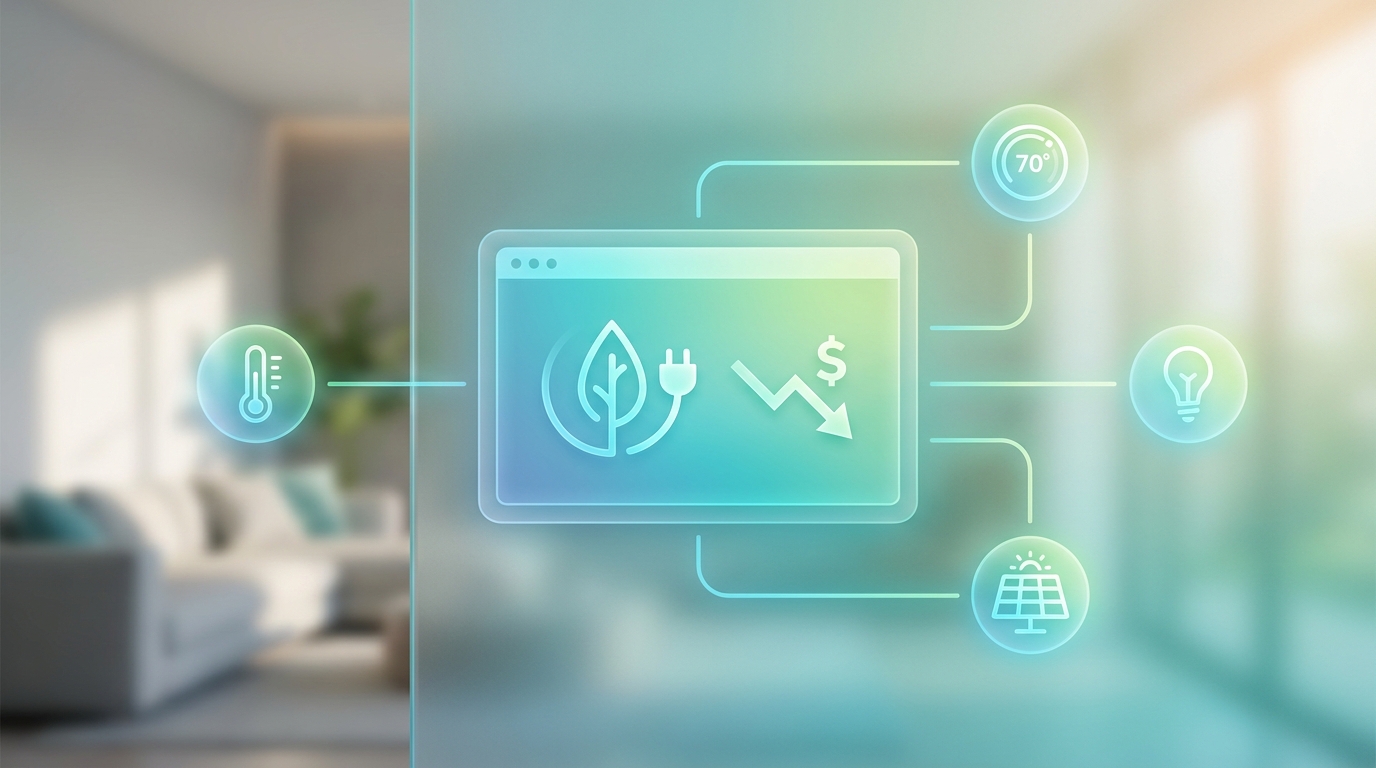
Energy-Efficient Smart Home Setup: Save Money and the Planet
Welcome to DigitCrate, where we explore how technology can enhance our lives without cluttering our spaces or minds. Today, we’re diving into a topic that aligns perfectly with our minimalist ethos: creating an energy-efficient smart home. Forget the image of a tech-overloaded house; we’re talking about smart solutions that seamlessly integrate into your life, save you money, and reduce your environmental footprint. Ready to transform your home into a haven of sustainability and savings?
Why an Energy-Efficient Smart Home Matters
Beyond the obvious benefits of lower energy bills, an energy-efficient smart home aligns perfectly with a minimalist lifestyle. It’s about conscious consumption, reducing waste, and creating a more sustainable future. According to the U.S. Energy Information Administration (EIA), the average U.S. household spends over $2,000 per year on energy. Imagine reclaiming a significant portion of that while simultaneously shrinking your carbon footprint. This isn’t just about saving money; it’s about aligning your lifestyle with your values.
Plus, a smart home simplifies your life. Automating energy-saving tasks frees up your time and mental energy, allowing you to focus on what truly matters – whether that’s spending time with loved ones, pursuing your passions, or simply enjoying a moment of peace.
Getting Started: Core Components of an Energy-Efficient Smart Home
Building an energy-efficient smart home doesn’t require a complete overhaul. Start with the core components that offer the biggest impact and gradually expand your system as needed. Here are some key areas to focus on:
1. Smart Thermostats: The Brains of Your Climate Control
Smart thermostats are arguably the most impactful addition to any energy-efficient smart home. They learn your habits, adjust temperatures based on occupancy, and allow you to control your heating and cooling from anywhere. Models like the Nest Learning Thermostat and ecobee SmartThermostat even offer features like geofencing (adjusting the temperature based on your location) and integration with other smart home devices.
Practical Tip: Program your smart thermostat to automatically lower the temperature when you’re asleep or away from home. Even a few degrees can make a significant difference in your energy consumption.
Real-World Scenario: Imagine you’re stuck in traffic on your way home. With a smart thermostat, you can easily adjust the temperature from your phone, ensuring your home is comfortable when you arrive without wasting energy heating or cooling an empty house.
2. Smart Lighting: Illuminate Your Savings
Smart lighting offers both convenience and energy efficiency. LED bulbs are already significantly more efficient than traditional incandescent bulbs, and smart bulbs take it a step further with features like dimming, scheduling, and remote control.
Practical Tip: Replace all your incandescent bulbs with LED smart bulbs. Use dimming to create ambiance and save energy. Schedule lights to turn off automatically when you’re not in a room or at certain times of the day.
Real-World Scenario: Ever left for vacation and worried about leaving lights on? With smart lighting, you can schedule lights to turn on and off at different times to deter potential burglars while minimizing energy waste.
3. Smart Plugs: Control the Vampire Power Drain
Many electronics continue to draw power even when they’re turned off. This “vampire power” can add up significantly over time. Smart plugs allow you to remotely turn off devices that are not in use, eliminating this unnecessary energy drain.
Practical Tip: Use smart plugs for devices like TVs, gaming consoles, chargers, and coffee makers. Schedule them to turn off automatically when you’re not using them.
Real-World Scenario: Heading out for the day? With a smart plug, you can quickly check if you left your curling iron or hair straightener on and turn it off remotely, giving you peace of mind and preventing potential fire hazards.
4. Smart Irrigation Systems: Conserving Water, Saving Money
For homeowners with lawns and gardens, smart irrigation systems can significantly reduce water waste. These systems use weather data and soil sensors to automatically adjust watering schedules based on actual needs, preventing overwatering and saving you money on your water bill.
Practical Tip: Invest in a smart irrigation controller that integrates with your local weather forecast. This will ensure your lawn is only watered when necessary.
Real-World Scenario: If a rainstorm is predicted, your smart irrigation system will automatically skip watering, preventing water waste and promoting healthy plant growth.
5. Energy Monitoring Systems: Track and Optimize Your Consumption
Understanding your energy consumption is crucial for identifying areas where you can save. Energy monitoring systems provide detailed insights into your energy usage, allowing you to track your consumption in real-time and identify energy-hogging appliances.
Practical Tip: Use an energy monitoring system to track your energy usage over time. Identify appliances that are consuming excessive energy and take steps to replace them or use them more efficiently.
Real-World Scenario: Discover that your old refrigerator is consuming a disproportionate amount of energy. Replacing it with an energy-efficient model can lead to significant savings over time.
Maximizing Your Energy Savings: Advanced Strategies
Once you’ve implemented the core components, consider these advanced strategies to further optimize your energy efficiency:
1. Integrate with Voice Assistants: Hands-Free Control
Integrating your smart home devices with voice assistants like Amazon Alexa or Google Assistant allows for hands-free control and automation. You can control your lights, thermostat, and other devices with simple voice commands.
Practical Tip: Use voice commands to quickly adjust the temperature, turn off lights, or activate energy-saving scenes.
2. Create Smart Home Routines: Automated Energy Savings
Smart home routines allow you to automate multiple tasks with a single command or trigger. For example, you can create a “Goodnight” routine that turns off all the lights, lowers the thermostat, and locks the doors.
Practical Tip: Create routines for common scenarios like “Leaving Home,” “Going to Bed,” and “Weekend Mode” to automate energy-saving tasks.
3. Energy Audits: Identifying Hidden Waste
Consider conducting an energy audit to identify areas where your home is losing energy. This can involve checking for drafts, inspecting insulation, and evaluating the efficiency of your appliances.
Practical Tip: Schedule a professional energy audit or conduct a DIY audit using online resources.
Embrace the Minimalist Approach to Smart Home Technology
Remember, the goal isn’t to fill your home with every gadget imaginable. It’s about strategically implementing smart solutions that enhance your life, save you money, and reduce your environmental impact. A minimalist approach to smart home technology focuses on quality over quantity, prioritizing functionality and efficiency.
Conclusion: Start Saving Today!
Creating an energy-efficient smart home is a win-win situation. You’ll save money on your energy bills, reduce your environmental footprint, and enjoy a more comfortable and convenient lifestyle. Start small, focus on the core components, and gradually expand your system as needed. The journey towards a more sustainable and efficient home starts with a single step. What are you waiting for? Start saving money and the planet today!
Call to Action: Share this article with your friends and family who are interested in saving money and reducing their environmental impact. What are your favorite energy-saving tips? Share them in the comments below!