
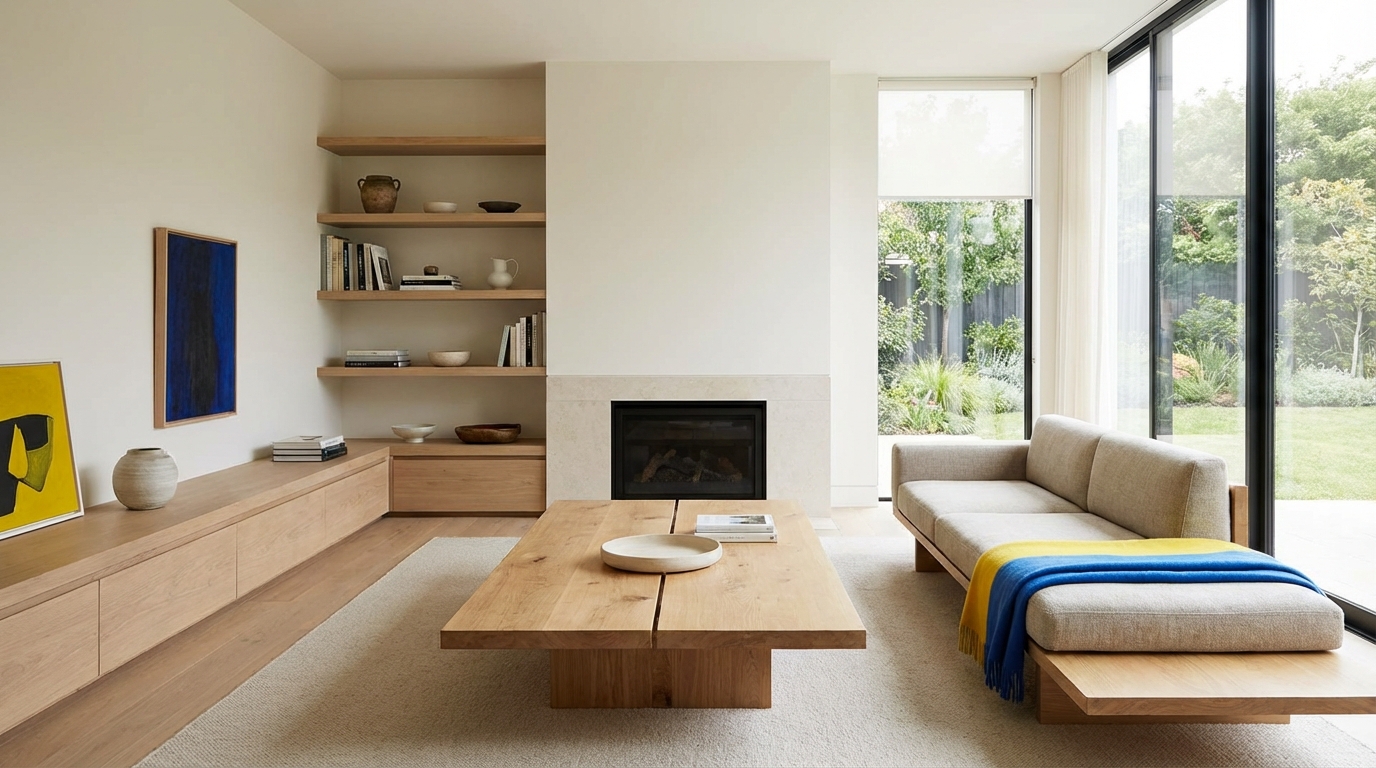
How to Design a Clutter-Free Living Space: A Minimalist Guide for DigitCrate Readers
Welcome back to DigitCrate, where we explore the intersection of minimalism, productivity, and digital wellness. In today’s hyper-connected world, our physical spaces often become cluttered with the remnants of our digital lives – chargers, cables, outdated tech, and the general detritus of modern living. But what if we could create living spaces that foster calm, focus, and a sense of peace, mirroring the intentionality we strive for in our digital habits? That’s the power of a clutter-free living space. It’s not just about aesthetics; it’s about creating an environment that supports your well-being.
This post will guide you through the process of designing a clutter-free living space, offering practical tips and actionable advice that you can implement today. Let’s dive in!
Why a Clutter-Free Space Matters for Digital Wellness
Before we jump into the “how,” let’s explore the “why.” A clutter-free environment directly impacts your mental and digital well-being in several key ways:
- Reduced Stress: Visual clutter overwhelms our brains, leading to increased stress hormones. A clean and organized space promotes a sense of calm and control.
- Improved Focus: Distractions are the enemy of productivity. A clutter-free workspace minimizes distractions, allowing you to focus on the task at hand, whether it’s coding, writing, or simply relaxing.
- Enhanced Creativity: A clear mind leads to clearer thinking. A minimalist environment can spark creativity by providing mental space for new ideas to flourish.
- Better Sleep: A cluttered bedroom can disrupt sleep patterns. Creating a calm and minimalist bedroom promotes relaxation and improves sleep quality.
- Increased Productivity: Spending less time searching for things and navigating a disorganized space translates to more time spent on meaningful activities.
Step 1: Decluttering – The Foundation of a Minimalist Space
Decluttering is the essential first step. It’s about letting go of items that no longer serve a purpose or bring you joy. Here’s a structured approach:
The Marie Kondo Method:
Ask yourself, “Does this item spark joy?” If the answer is no, thank it for its service and let it go. This method encourages mindful decluttering based on emotional connection.
The Four-Box Method:
Label four boxes: “Keep,” “Donate/Sell,” “Trash,” and “Relocate.” Go through each item in your space and assign it to one of these boxes. Be honest with yourself about what you truly need and use.
The 20/20 Rule:
If you can replace an item for less than $20 and in less than 20 minutes, it’s probably safe to donate it if you’re unsure. This helps avoid hoarding “just in case” items.
Example: Go through your drawer of cables and chargers. How many do you actually use? Donate or recycle the rest. Consider using a cable organizer to keep the remaining ones neat and accessible.
Step 2: Designing for Functionality and Minimalism
Once you’ve decluttered, it’s time to design your space with functionality and minimalism in mind.
Prioritize Multi-Functional Furniture:
Choose furniture that serves multiple purposes. A sofa bed can double as a guest bed, an ottoman with storage can hold blankets, and a desk with built-in shelves can maximize vertical space.
Embrace Vertical Storage:
Utilize wall space with shelves, floating cabinets, and hooks. This helps keep surfaces clear and creates a sense of openness.
Create Zones:
Designate specific areas for different activities. For example, a reading nook, a workspace, and a relaxation zone. This helps keep activities separate and prevents clutter from accumulating in one area.
Conceal Technology:
Hide cables, routers, and other tech devices in storage boxes, behind furniture, or with cable management solutions. A clean, tech-free surface instantly creates a more calming environment. Use smart home devices to control lighting and temperature, further reducing the need for physical controls.
Example: Use a TV stand with doors to conceal your gaming console and media players. Invest in a cable organizer to keep cords tidy and out of sight.
Step 3: Implementing Storage Solutions
Effective storage is key to maintaining a clutter-free space. Choose solutions that are both functional and aesthetically pleasing.
Clear Containers:
Use clear containers to store items in drawers and cabinets. This allows you to easily see what you have and prevents items from getting lost or forgotten.
Label Everything:
Label storage containers and drawers to ensure everything has its designated place. This makes it easier to find things and encourages everyone in the household to maintain organization.
“A Place for Everything, and Everything in Its Place”:
This classic adage is crucial. Every item should have a designated spot, and you should consistently return items to their place after use.
Regular Purges:
Schedule regular decluttering sessions to prevent clutter from accumulating again. A quick 15-minute purge each week can make a big difference.
Example: Use labeled clear bins in your closet to organize clothing by season. Store out-of-season clothes in a storage container under your bed.
Step 4: Maintaining a Minimalist Mindset
Designing a clutter-free space is not a one-time event; it’s an ongoing process that requires a shift in mindset. Here are some tips for maintaining a minimalist lifestyle:
One In, One Out:
Whenever you buy something new, get rid of something similar. This prevents clutter from accumulating and encourages mindful consumption.
Resist Impulse Purchases:
Before buying anything, ask yourself if you truly need it and if it will add value to your life. Wait 24 hours before making a purchase to avoid impulse buys.
Embrace Digital Minimalism:
Extend your minimalist principles to your digital life. Unsubscribe from unnecessary emails, delete unused apps, and organize your digital files.
Focus on Experiences Over Possessions:
Invest in experiences that create lasting memories rather than accumulating material possessions.
Example: Before buying a new gadget, consider if you truly need it or if you’re just being driven by consumerism. Perhaps donating an old device will make space for the new one.
Conclusion: Creating a Sanctuary for Digital Wellness
Designing a clutter-free living space is an investment in your mental and digital well-being. By decluttering, designing for functionality, implementing effective storage solutions, and embracing a minimalist mindset, you can create a sanctuary that promotes calm, focus, and creativity. Remember, it’s not about perfection; it’s about progress. Start small, be patient with yourself, and enjoy the journey of creating a space that supports your minimalist digital lifestyle. Let us know in the comments what helps you the most in keeping your space clutter-free!