
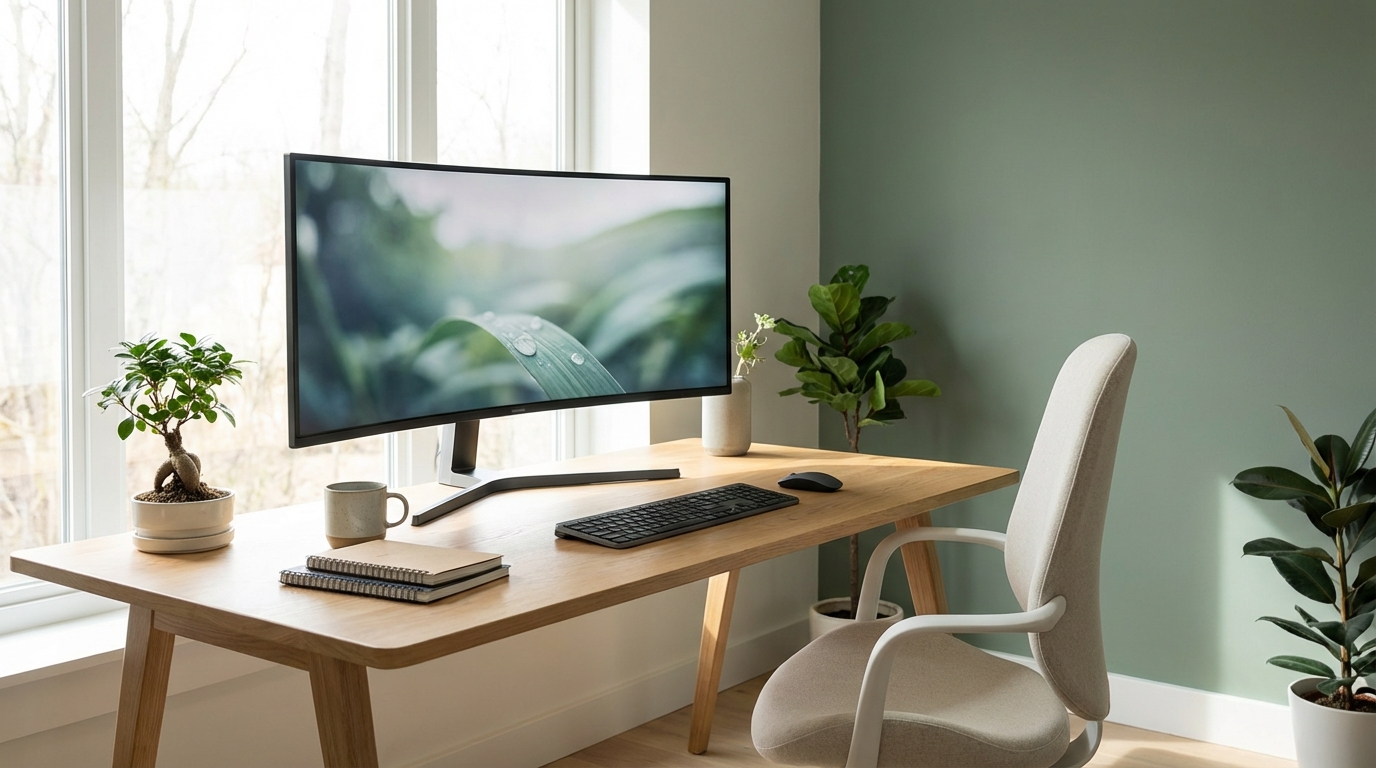
Creating a Zen Workspace at Home: Cultivating Calm in the Digital Age
In today’s hyper-connected world, our homes have transformed into multi-functional spaces, often blurring the lines between relaxation and work. While the flexibility of remote work is a blessing, it can also lead to increased stress and decreased productivity if not managed effectively. Creating a Zen workspace at home isn’t just about aesthetics; it’s about cultivating a mindful environment that fosters focus, reduces distractions, and promotes overall digital wellness. For us at DigitCrate, it’s a core tenet of minimalist life aesthetics – a conscious effort to design our surroundings in a way that supports a calm, productive, and fulfilling digital life.
Why a Zen Workspace Matters for Digital Well-being
Our digital lives are already filled with notifications, emails, and endless streams of information. Bringing that chaos into our physical workspace can overwhelm our senses and lead to burnout. A Zen workspace, on the other hand, offers a sanctuary – a designated area intentionally designed to minimize distractions and promote focus. It’s an investment in your mental clarity and productivity. By creating a calm and organized environment, you can:
- Reduce Stress and Anxiety: A cluttered workspace can contribute to feelings of overwhelm and anxiety. A Zen space promotes a sense of calm and control.
- Enhance Focus and Concentration: Minimizing distractions allows you to concentrate on the task at hand, leading to increased efficiency.
- Improve Productivity: When you’re focused and relaxed, you’re naturally more productive.
- Boost Creativity: A peaceful environment can stimulate creativity and innovation.
- Promote Digital Wellness: By separating your work and relaxation zones, you can create healthier boundaries between your digital and personal life.
Key Principles of a Zen Workspace
Creating a Zen workspace is a personalized process, but here are some guiding principles:
1. Minimalism and Decluttering
This is the cornerstone of any Zen space. The less you have, the less there is to distract you. Start by removing anything that doesn’t directly contribute to your work. Think about Marie Kondo’s famous question: “Does this spark joy?” If not, donate, recycle, or discard it. This includes papers, pens, unnecessary gadgets, and anything else cluttering your desk.
Actionable Tip: Spend 15 minutes each day decluttering one small area of your workspace. Even small actions accumulate.
2. Natural Light and Air
Maximize natural light. Position your desk near a window if possible. Natural light is proven to improve mood and productivity. Ensure proper ventilation by opening windows regularly or using an air purifier. Fresh air can help you stay alert and focused.
Example: I rearranged my desk to face a window overlooking my garden. The increased natural light and the occasional glimpse of nature have significantly improved my mood and focus during work hours.
3. Ergonomics and Comfort
Your physical comfort is essential for long-term productivity and well-being. Invest in an ergonomic chair that provides proper support. Ensure your monitor is at eye level to prevent neck strain. Use a standing desk converter if you prefer to alternate between sitting and standing.
Actionable Tip: Follow the 20-20-20 rule: Every 20 minutes, look at an object 20 feet away for 20 seconds to reduce eye strain.
4. Calming Colors and Textures
Choose calming colors for your workspace. Neutral tones like white, beige, and gray are excellent choices. Incorporate natural textures like wood, stone, and plants to create a sense of tranquility.
Example: I painted my home office a soft gray and added a small wooden shelf with a succulent. The calming color and natural element create a more peaceful atmosphere.
5. Mindful Technology Use
Our workspace should facilitate work, not distract from it. Manage notifications, silence your phone, and close unnecessary tabs. Consider using website blockers or productivity apps to stay focused.
Actionable Tip: Designate specific times for checking email and social media to avoid constant interruptions.
6. Personal Touches (Minimalist Style)
While minimalism is key, you can still add personal touches to your workspace. Choose items that inspire you or bring you joy, but keep it minimal. A single framed photo, a favorite quote, or a small piece of art can add personality without overwhelming the space.
Example: I keep a small framed photo of my family on my desk and a simple ceramic mug with a calming quote. These small touches remind me of what’s important and help me stay grounded.
7. Incorporate Nature
Bringing nature indoors can have a profound impact on your well-being. Add a plant or two to your workspace. Studies have shown that plants can reduce stress, improve air quality, and boost creativity.
Actionable Tip: Choose low-maintenance plants like succulents, snake plants, or ZZ plants if you don’t have a green thumb.
Creating Boundaries: Separating Work and Life
One of the biggest challenges of working from home is separating work and personal life. Creating a designated workspace helps establish those boundaries. When you’re in your Zen workspace, you’re in work mode. When you leave the space, you’re off the clock.
Actionable Tip: Establish a clear start and end time for your workday. When the workday is over, physically leave your workspace and engage in relaxing activities.
Maintaining Your Zen Workspace
Creating a Zen workspace is just the first step. Maintaining it requires ongoing effort. Schedule regular decluttering sessions, keep your desk organized, and be mindful of your technology use. Make it a habit to clear your desk at the end of each day so you can start fresh the next morning.
Actionable Tip: Spend 5 minutes at the end of each workday tidying up your workspace. This simple habit can make a big difference in maintaining a calm and organized environment.
Embrace the Calm: Transforming Your Home into a Zen Workspace
Creating a Zen workspace at home is an investment in your well-being and productivity. By embracing minimalism, incorporating natural elements, and establishing clear boundaries, you can transform your home office into a sanctuary of calm and focus. As you embrace a minimalist digital lifestyle, remember that your environment plays a crucial role in your overall well-being. Start small, be patient, and enjoy the process of creating a Zen workspace that supports your digital life and helps you thrive. At DigitCrate, we believe that a mindful workspace is a key ingredient for a fulfilling and productive digital life. So, take the first step today and create a Zen space that nurtures your mind, body, and spirit.